+1 315 210 4488
 +91 99888 06489
Smart Home Energy Management Systems
While the Smart Home Energy Monitoring and Management System (SHEMS) aims to track the energy consumption of home appliances, we advance this initiative through our expertise in developing home energy management systems using next-generation technologies, such as IoT. We build apps that allow users to set programmable parameters, such as high/low voltage cut-offs, to manage energy use efficiently. Do you want such applications as part of your business vision?
Share Details With Us
Fill your requirements to get started!
Features of Smart Home Energy Management Systems
The rise of sustainable living and smart technologies persuades residential energy management systems to incorporate smart devices, AI, and advanced sensors, optimizing energy use, cutting costs, and minimizing environmental impact. Have a look at the key features that make them powerful:
Real-Time Energy Monitoring
Homeowners track their energy consumption live with the system, which gives them detailed insights into their electricity usage. This instant data helps them recognize inefficiencies like power overconsumption.
Energy Consumption Analytics
The system reveals energy consumption and analytics by day, week, or month to easily spot trends. It recognizes peak usage times and heavy appliances and recommends ways to reduce unnecessary energy consumption.
Automated Energy Optimization
Smart energy systems use advanced algorithms to manage energy use according to users’ habits automatically. For instance, heating or cooling systems can be set to optimize performance based on occupancy.
Smart Thermostats
These systems are a staple of modern homes. They learn your preferences and adjust indoor temperatures based on your daily schedule and occupancy, diminishing heating or cooling in an empty house.
Solar Power Integration
Solar panels at homes can benefit from the Home Energy Management System to help manage energy generation and consumption. This feature reduces reliance on the grid, cutting costs and carbon footprints.
Battery Storage Management
This feature encourages smart battery storage to store excess energy for later use. HEMS enhances this storage, helping decide when to charge the battery and when to draw power from it.
Load Shedding and Peak Shaving
Home power systems anticipate energy surges and shift non-essential loads to off-peak times. A load-shedding feature lowers the strain on the grid during peak hours, saving more on energy bills.
Integration with Voice Assistants
Smart homes are voice-controlled. Through integrations with platforms like Amazon Alexa, Google Assistant, or Apple HomeKit, users control energy systems with simple voice commands.
A Synopsis of Smart Home Energy Management Systems
A Smart Energy Management System (SEMS) uses IoT to optimize energy consumption across industries. It adapts to specific energy needs, offering tailored solutions for efficient energy use. IoT devices administrate, evaluate, and adjust energy use in real-time, reducing waste, improving productivity, and lowering costs. SEMS benefits include:
Home
Smart homes leverage IoT to control appliances, reduce energy waste, and lower electricity bills. Devices like air conditioners, dishwashers, and lights are automated to optimize energy consumption based on usage patterns.
Commercial
Businesses are integrating IoT systems to manage energy in offices and industrial spaces. Smart office energy management systems encourage better insulation, and smart windows help reduce energy usage and enhance overall sustainability.
Deploy Smart Home Energy Management System for Better Business Growth
The key to smarter homes is optimizing energy use and cutting costs by incorporating SHEMS in real-time working functions based on users’ preferences.
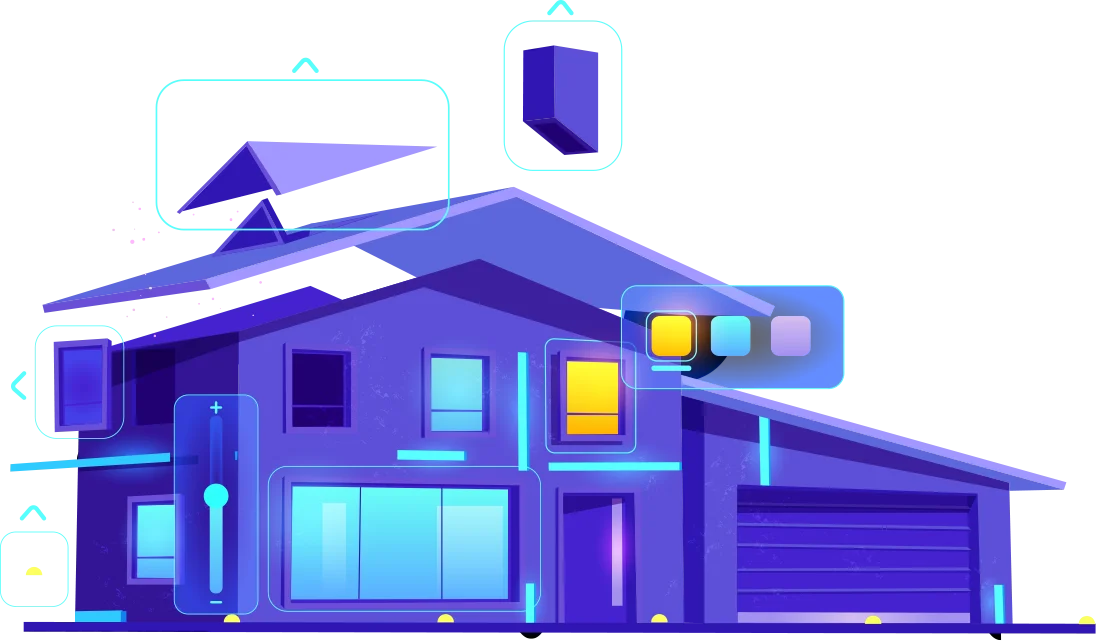
Benefits of Our Residential Energy Management Systems
A Smart Home Energy Management System (SHEMS) encourages cost-savings, which depend on factors like current energy usage, system efficiency, and user involvement. When used properly, SHEMS leads to significant savings. Key benefits include:

Energy Efficiency and Cost Savings
The system automates turning off lights and appliances when not in use. An IoT-based energy management system reduces electricity wastage.

Environmental Sustainability
Our IoT-based systems reduce a house’s carbon footprint. They boost the use of renewable energy sources and minimize energy waste.

Convenience and Comfort
Smart power-saving systems allow homeowners to control and monitor their energy usage remotely. They can optimize heating, cooling, and lighting, ensuring minimizing energy waste.
Embrace Smart Home Energy Monitoring Solutions for Better Sustainability
Smart home energy monitoring saves energy, cuts costs, and lowers carbon footprints. Smart home tech is growing fast. In the future, it will offer cheaper renewable energy, better storage, smart appliances, AI integration, and improved grids.
Cloud Integration
Cloud solutions save time and support remote work by storing essential data on a secure network. They eliminate the need for large on-premise servers, and data is safe, accessible from anywhere, and economical.
Data Security
Online Payment
Online payment features let tenants pay rent and fees securely through a reliable gateway. This convenience simplifies rent collection and ensures the safety of financial data.
Embrace Smart Home Energy Monitoring Solutions for Better Sustainability
Smart home energy monitoring saves energy, cuts costs, and lowers carbon footprints. Smart home tech is growing fast. In the future, it will offer cheaper renewable energy, better storage, smart appliances, AI integration, and improved grids.
RichestSoft gives energy providers tools to offer data insights. This helps customers manage energy use better, boosting satisfaction and efficiency. Want to be the top energy provider?
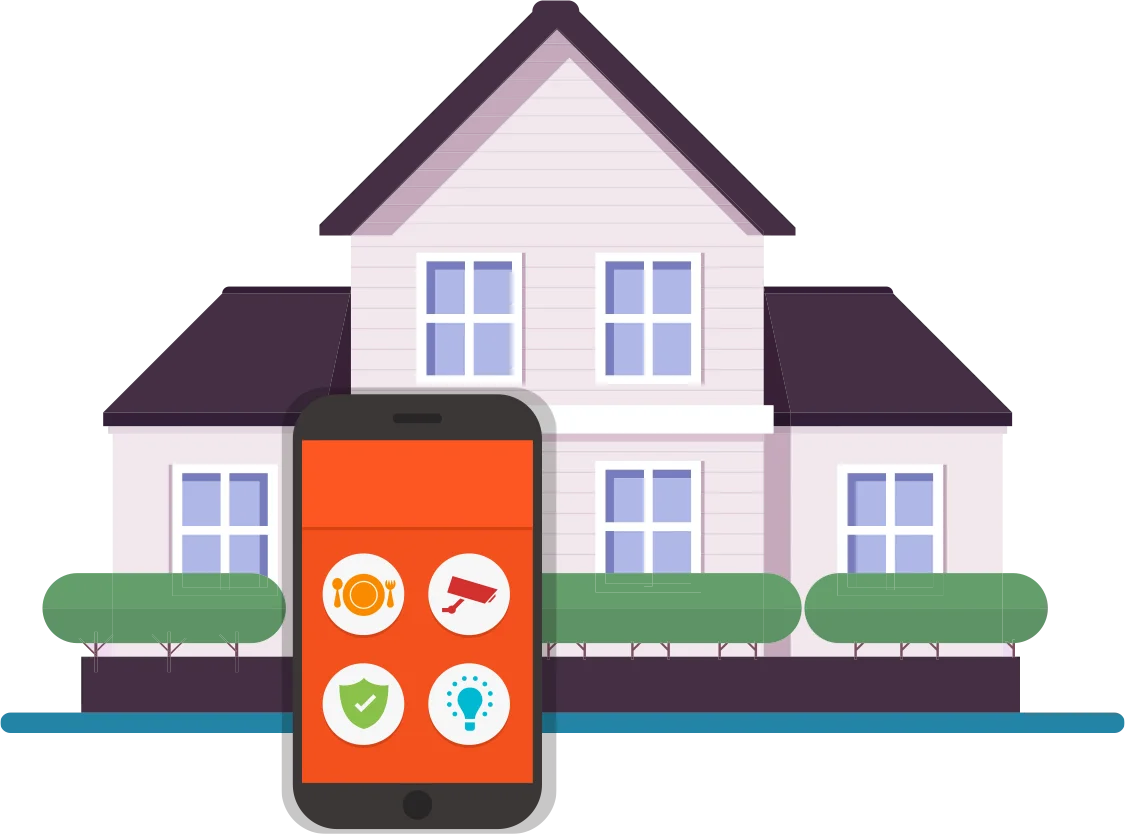
Why Choose RichestSoft for Home Energy Management System Development?
RichestSoft is a leader in residential energy management systems, with unique solutions for energy savings. Here’s why you should choose us:

Industry Recognition
We were awarded the Best App Development Company and have received accolades from Good Firms.

Expertise Since 2009
We’ve been at the forefront of IoT development solutions, helping clients succeed in building deep technical expertise.

Diverse Project Experience
With more than 15 IoT systems developed, we have extended our networks across real estate, retail, healthcare, automotive, entertainment, and education.

Skilled Team
Our technical experts include skilled developers, machine learning engineers, data scientists, and AI specialists.

Proven Track Record
Over the past decade, we have delivered successful software solutions for businesses and startups, earning a reputation for excellence.

Global Recognition
Our experts are globally recognized for their next-gen tech expertise, earning industry praise and accolades.
Frequently Asked Questions (FAQs)
Energy management software can be deployed in two ways:
- Cloud-based: Hosted and maintained by the service provider (e.g., EnergyCAP on AWS). Users access it via a web browser. No local installation is needed, and it can be accessed remotely, but an internet connection is required.
- On-premise: Installed locally on a company’s servers and computers, and can function without an internet connection.
The two models differ in terms of pricing, security, customization, maintenance, and lifecycle.
Cloud-based solutions are quick to set up with no upfront costs or installation needed. Advanced systems, like Wattics, require a server and IT infrastructure costing around $10,000 to $50,000, depending on the project size.
Data security is crucial. Whether on-premise or cloud-based, you must ensure that your provider offers secure solutions. Similarly, if you handle client data, ensure that their security measures are robust.
For cloud-based systems, choose a trustworthy provider with clear plans for data protection, server issues, and possible disruptions. Ask about their security measures, what happens if servers fail, and whether data could be lost.
SHEMS helps maintain a consistent focus on energy performance, integrates energy efficiency into business decisions, and supports continuous improvement over time. It avoids the drop-off in performance often seen after short-term energy efficiency pushes.
Data security is essential when using cloud-based technology. Ensure the HEMS has proper security certifications and follows best practices, such as using a dedicated internet connection for facility equipment and not using networks meant for customers or point-of-sale devices.