+1 315 210 4488
 +91 99888 06489
AI in the Restaurant Industry
Modern restaurants often need help engaging and retaining customers while providing a great experience. Integrating AI helps address these challenges, improve operations, and enhance customer satisfaction. Many restaurant tasks are time-consuming and resource-intensive, often requiring significant investment that can cut into profits. However, AI transforms traditional workflows. AI helps manage inventory, personalize guest experiences, and improve restaurant ordering tools. If you plan to land your business on an AI platform, we are here to make it possible, helping you enhance the customer experience and market reach.
Share Details With Us
Fill your requirements to get started!
What is AI for Restaurants?
AI simulates human intelligence, automates tedious tasks, and processes large amounts of data. In the food industry, AI encourages automation and optimization. Factors like the time of day, season, local events, and economic conditions impact restaurant operations. AI tools adapt to these changes better than traditional software and machines, helping restaurants stay resilient.
AI tracks vital metrics, analyzes data, and identifies patterns more easily. AI enhances service quality for some restaurants, creating a unique and personalized experience for customers seeking innovation.
In restaurants, AI modifies how things operate. It automates routine tasks like reservations and inquiries and helps with inventory, food preparation, delivery, customer service, and food waste management. AI allows you to make better decisions, improve your business, and enhance customer service.

How is AI Transforming the Food Service Industry?
We visualize the food service industry thoroughly and analyze the importance of automation. Our AI app development services encourage AI-powered restaurants, which are in high demand and becoming lucrative nowadays. Here is how AI is transforming the food industry-

AI Phone Systems and Voice Assistants
A typical restaurant with 25 tables usually needs 5-6 front staff. AI phone systems reduce this need. These tools handle bookings, waitlists, meal orders, and fundamental questions, making operations efficient.

Voice Commands
Many people prefer using voice commands to find restaurants. AI voice solutions in drive-thrus and kiosks have cut order errors by up to 90%, improving efficiency and boosting customer retention.

Inventory Management
Restaurants’ most significant concern is food waste. AI tools help manage inventory and reduce waste. AI-integrated POS systems track purchases and effectively control food costs.

Data-Based Insights
AI provides valuable insights that help restaurants predict customer behavior and optimize sales strategies. This technology helps reduce inventory and labor costs while improving competitiveness.

Online Review Management
Well-written responses, often created with AI tools like ChatGPT, attract customers. Customers pay more for businesses with good reviews, building strong online reputation management.

Automated Order Systems
Customers look for instant responses. AI-generated chats are affluent in responding to customers’ orders and booking them conveniently. From reserving to ordering meals, AI replies to all.
Discover AI in the Food Service Industry for Your Restaurant
Upselling with relevant consumer data is a smart strategy for restaurants. Our AI expertise in developing restaurant apps enables customizable ordering options, which can boost sales. We have more to inoculate into your business platform; reach out to us today!
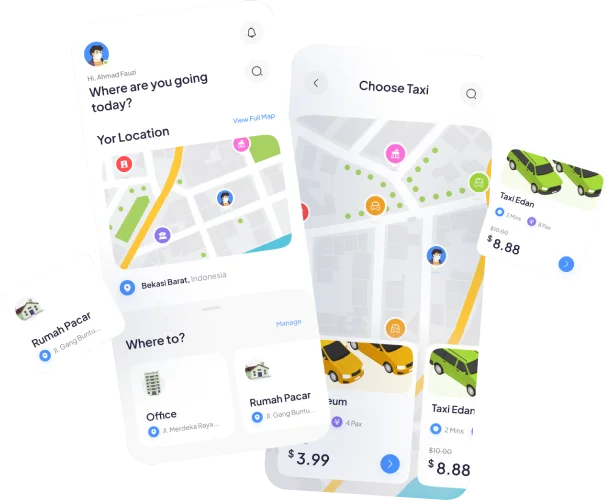
Our Expertise in Developing AI-powered Restaurant
With a decade of experience developing restaurant apps, our experts have delivered excellence through essential steps. Here’s how we create an AI app for the restaurant industry:
Identify Business Goals
Define specific goals for the app. Decide if you want to enhance customer interactions, optimize inventory, or improve kitchen efficiency. Clear objectives guide the development process.
Conduct Market Research
Perform market research and user analysis. Understand your target audience, competition, and trends. Identify pain points and user preferences to tailor the app effectively.
Determine AI Use Cases
Based on your goals, decide on AI use cases and features. Consider options like chatbots for support, personalized menu recommendations, or kitchen automation.
Choose AI Framework and Technology
Select the proper AI framework and tech stack. Consider scalability, data processing, and integration capabilities. Popular frameworks include TensorFlow, PyTorch, and scikit-learn.
Collect and Prepare Data
Gather relevant data, such as customer preferences and historical sales. Clean and structure this data for practical AI training. Quality data is crucial for accurate predictions.
Develop and Train AI Models
Create AI models using your chosen framework. Train these models with the prepared data to optimize performance. Regularly evaluate and refine them for better accuracy.
Integrate with Existing Systems
Integrate the AI app with existing systems like POS and CRM. Ensure seamless data exchange for a cohesive user experience. Effective integration boosts functionality and efficiency.
Implement AI Features
Add AI-driven features into the app, such as chatbots and menu recommendations. Focus on a user-friendly design to enhance customer interactions.
Test, Launch, and Monitor
Thoroughly test the app across different scenarios to identify issues. After successful testing, launch the app. Continuously monitor performance and gather user feedback for improvements.
Continuous Improvement
AI apps need ongoing updates to remain relevant. Use customer feedback and data analysis for iterative enhancements. Introduce new features to meet changing customer demands.
Delightful Facets of AI-Powered Food Platforms
AI streamlines restaurants’ operations, enhances customer experiences, and boosts revenue. While you plan to hire a food delivery app development company like RichestSoft, we feature it with AI power.
Personalized Recommendations
We build apps that analyze customer data to provide personalized menu suggestions. AI recommends dishes tailored to individual tastes by studying their past preferences, orders, and dietary restrictions, enhancing customer satisfaction and chances of upselling.
Chatbots for Customer Service
AI chatbots answer FAQs, take reservations, and respond to questions about menu items. These bots provide 24/7 assistance and improve client engagement by providing prompt help. Consumers value prompt responses, which contribute to a happier eating experience.
Dynamic Pricing
Our apps feature AI algorithms that evaluate demand fluctuations and adjust prices accordingly. For example, a restaurant offering discounts during slower times to attract more customers must appeal to budget-conscious diners while optimizing profits for owners.
Inventory Management
AI forecasts inventory requirements using past data and patterns, including seasonal fluctuations and consumer inclinations. It lessens the chance of overbuying or running out of necessities. By automating inventory management, restaurant businesses cut expenses and waste.
Smart Ordering Systems
Mobile apps and kiosks with AI capabilities make ordering easier. Consumers can personalize meals, place orders fast, and pay quickly, cutting down on wait times. Tech-savvy diners find that using technology enhances their enjoyment of the ordering experience.
Personalized Recommendations
We build apps that analyze customer data to provide personalized menu suggestions. AI recommends dishes tailored to individual tastes by studying their past preferences, orders, and dietary restrictions, enhancing customer satisfaction and chances of upselling.
Staff Scheduling Optimization
Restaurant operators can free themselves from the strain of human scheduling by using AI to monitor staff schedules and forecast peak times. Staff members appreciate well-planned schedules, which boosts morale and productivity and results in an efficient operation.
Customer Feedback Analysis
AI tools can analyze customer reviews and feedback from multiple platforms. They identify trends and areas for improvement. Restaurant operators can use this information to make data-driven decisions. Interacting with patron feedback demonstrates the value of their thoughts and encourages repeat business.
Menu Engineering
AI analyzes sales data to determine the most and least popular dishes. These insights allow restaurant operators to modify their menus, reflecting customer preferences. A carefully chosen menu enhances customer retention.
Food Waste Reduction
AI can monitor trends in food waste and make recommendations for enhancements. By examining the amount of food wastage, restaurants can modify their purchase and portion sizes. Cutting waste appeals to those who care about the environment and save money.
Predictive Analytics for Sales Forecasting
AI systems can predict future sales using past data and outside variables. This aids eateries in making necessary strategy adjustments and planning for peak times. Accurate forecasts help with decision-making, and interacting with data-driven insights improves operations.
Voice-Activated Ordering
The voice recognition technology allows customers to place orders using voice commands, simplifying their eating experience. This feature enhances ordering and reduces friction during peak hours, ensuring a smoother operation.
Loyalty Programs Automation
AI automates loyalty programs by tracking customer purchases and rewarding frequent diners while ensuring the privacy and security of their data. Customers value acknowledging their loyalty, and the interaction between patrons and the restaurant strengthens their bond.
Health and Safety Monitoring
AI monitors kitchen conditions and ensures compliance with health regulations. Sensors can track temperature, humidity, and hygiene standards, providing real-time alerts and reports. This feature not only protects customers but also enhances the restaurant's reputation.
Social Media Insights
AI systems can assess client sentiment by analyzing social media interactions. By understanding how customers view the business, owners can better their plans. Social media interaction with customers fosters a sense of community and increases brand loyalty.
Real-World Case Studies of AI Food Delivery Apps
The delectable food menus are ruling people’s minds through AI-powered food applications that restaurants opt for today. Here are the leading giants
Uber Eats
Uber Eats uses AI to optimize delivery routes and provide accurate time estimates. The app analyzes user preferences to recommend meals. Its AI assistant helps users find discounts and explore menu options.
Grubhub
Grubhub relies on data for its AI solutions. The more data there is, the better the AI performs. The platform provides a customer insights dashboard to track sales and monitor demand.
Zomato
Zomato launched a personalized AI food assistant for Zomato Gold members. This assistant offers tailored restaurant and dish recommendations based on user preferences.
DoorDash
DoorDash’s AI voice ordering capabilities help restaurants manage calls and increase sales opportunities. It incorporates customer feedback to improve the voice-ordering experience.
Want To Lead In The Restaurant Industry With AI?
A skilled team of developers is essential for creating high-quality delivery apps, including those with machine-learning features for food delivery. Our app development wizards are ready to take your restaurants to the next-gen world.
Benefits of AI in the Restaurant Industry
AI brings umpteen possibilities for restaurants that come with the following benefits-
Enhanced Efficiency
AI streamlines operations, leading to faster order handling, fewer errors, and increased accuracy.
Personalized Customer Experience
AI analyzes client data to provide individualized menu suggestions based on previous orders, helping restaurants serve the best.
Inventory and Supply Chain Management
AI helps restaurants improve supply chain logistics by anticipating demand trends, reducing waste, and increasing efficiency.
Operational Cost Reduction
AI reduces operating costs, maximizes kitchen appliance utilization, and minimizes energy waste, increasing restaurant revenue.
Improved Food Safety and Quality
AI monitors food safety laws, guaranteeing correct storage and hygienic kitchen practices and enhancing quality control.
Why Hire RichestSoft?
RichestSoft is a top mobile app development company with ten years of experience. Here’s what you can expect:

24/7 Availability
Our dedicated mobile app developers will assist you 24/7 hours and throughout the customization process.

Next-Gen Tech Services
We offer advanced technology solutions across various industries with skilled developers.
Seamless Integration
Enjoy seamless integration for the AI-powered app, tailored to meet industry standards.
Technical Support
After completing your grocery delivery app, we provide 3 to 6 months of free technical support.

Flexible Hiring Model
With RichestSoft, you can choose from flexible hiring options—hourly, weekly, or monthly—and customize your hiring model.

Geolocation Features
Our app uses location-based services to enhance your marketing efforts and gain insights into user behavior and locations.
Frequently Asked Questions (FAQs)
Successful brands using AI invest in technologies that automatically collect data from all customer interactions, both online and offline. This includes data from apps, loyalty programs, offers, e-commerce, point-of-sale systems, kiosks, drive-thrus, Wi-Fi, email, SMS, and more.
When relying on machine learning for customer experience and marketing, we ensure clean data. This process requires a good investment, which is essential for success.
The data you collect needs to be machine-readable. Computers may need help understanding how to clean data for humans. Technologies like natural language processing (NLP) can help, so we ensure that terms like “Ch Piz,” “Chz Pza,” and “Cheese Pizza” are recognized as the same.
Not all AI models work the same way. Our AI models align with your brand, stores, and customers. They are adaptable to seasonal changes and are suitable for various purposes, such as customer acquisition and loyalty.
Effective AI learns and adapts quickly. For large brands, the environment is constantly changing with new data, customers, and conditions. A system that cannot respond to these rapid changes will not perform as well as your adaptable human staff.